Buttermilk lemon pound cake bakes up golden outside and tender inside, with a fine buttery crumb and a bright citrus flavor from both fresh zest and juice, and it fits tea time just as well as dessert.
The batter follows the classic pound cake method of creaming butter and sugar, adding eggs one at a time, and alternating flour with buttermilk. A long, slow bake in a loaf pan gives a crisp top and a soft center.
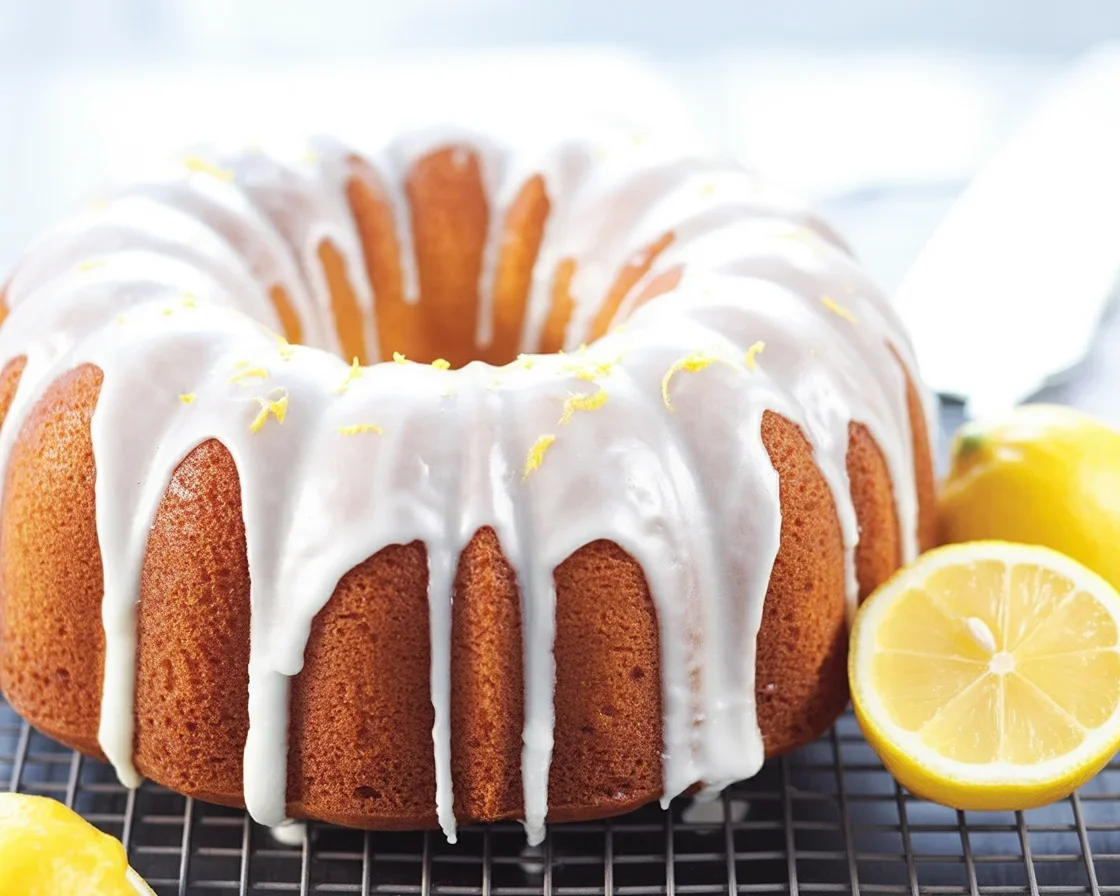
Table of Contents
Why This Buttermilk Lemon Pound Cake Recipe Works
Buttermilk adds a gentle tang and softens the gluten in the flour, so the cake stays moist and tender with a fine crumb rather than turning dense.
Both the zest and the juice of fresh lemons go into the batter, so the flavor runs through every bite instead of sitting only in a glaze.
Room temperature butter and eggs blend into a smooth emulsion, and that smooth batter bakes into an even loaf with a tall, golden crown.
Ingredients for Buttermilk Lemon Pound Cake
- For the base: unsalted butter, granulated sugar, eggs at room temperature, and real vanilla extract, creamed together until pale and fluffy.
- For the batter: all purpose flour, baking powder, salt, buttermilk, and the zest and juice of two lemons, folded in until just combined.
Butter. Use real unsalted butter at room temperature, firm enough to hold a fingerprint but soft enough to cream.
Eggs. Add them one at a time and beat well after each, because rushing can break the batter and leave a coarse crumb.
Flour. Plain all purpose flour gives the cake structure, and self rising flour must not be used since it contains leavening.
Buttermilk. It brings tang and tenderness, and it should be cool but not ice cold when it joins the butter mixture.
Lemons. Zest the lemons before juicing them, and avoid the bitter white pith under the yellow skin.
How to Make Buttermilk Lemon Pound Cake
1. Heat and prepare. Heat the oven to 350 degrees F, then grease a loaf pan and line it with parchment so the cake lifts out easily.
2. Cream the base. Beat the butter and sugar for about three minutes until pale and fluffy, scraping the bowl once or twice.
3. Add the eggs. Beat in the eggs one at a time, mixing well after each, and stir in the vanilla.
4. Mix the dry goods. Whisk the flour, baking powder, and salt together in a separate bowl.
5. Alternate the batter. With the mixer on low, add the dry mix and buttermilk in turns, starting and finishing with flour, and mix only until combined.
6. Fold in the lemon. Fold in the zest and juice by hand, pour the batter into the pan, fill it no more than three quarters full, and smooth the top.
7. Bake and cool. Bake for about one hour until a toothpick comes out mostly clean, then cool in the pan for fifteen minutes before turning out onto a rack.
How to Serve Buttermilk Lemon Pound Cake
Slice the cake once it has cooled and serve it plain, dusted with powdered sugar, or with a spoonful of fresh berries. It also goes well with fresh peach lemonade, a fruit pavlova, a lemon layer cake, and chewy granola bars on a tea tray.
How to Store and Reheat Buttermilk Lemon Pound Cake
Wrap the cooled cake tightly and keep it at room temperature for up to two days, or refrigerate it for up to five days. Freeze whole loaves or slices in airtight wrap for up to three months, and thaw them overnight on the counter before serving.
Tips and Variations for Buttermilk Lemon Pound Cake
Measure by weight. If you own a kitchen scale, weigh the flour for a consistent crumb, or spoon it into the cup and level it.
Fill the pan wisely. Fill the loaf pan no more than three quarters full, and bake extra batter in a small greased ramekin.
Keep the door closed. Avoid opening the oven in the first forty minutes, since a draft can make the cake sink.
Add a glaze. Whisk powdered sugar with a spoonful of lemon juice and drizzle it over the cooled cake for extra shine.
Flag the allergens. This cake contains wheat, eggs, and milk, so label it clearly for guests with allergies.
Skip the raw taste. Do not taste the raw batter, since it contains uncooked flour and raw eggs that must be baked.
Brush with syrup. A quick lemon syrup brushed over the warm cake adds moisture and a stronger citrus note.
Check trusted guidance. Read the Purdue Extension guide to storing leftovers for safe storage times.
Frequently Asked Questions About Buttermilk Lemon Pound Cake
What does buttermilk do in buttermilk lemon pound cake?
It adds tang and tenderness, since the acid softens the flour proteins and keeps the crumb fine and moist.
Can I make buttermilk lemon pound cake without buttermilk?
Stir one tablespoon of lemon juice into a cup of milk and wait five minutes, which gives a similar tang.
How do I know buttermilk lemon pound cake is done?
A toothpick in the center should come out with only a few moist crumbs, and the top should be deep golden.
Can I use bottled lemon juice?
Fresh lemons give more flavor, since the zest carries most of the aroma, and bottled juice has no zest to offer.
Why did my pound cake crack on top?
A crack is normal in pound cake and shows the cake rose well. A hot oven can deepen it, so check your oven temperature.
Buttermilk Lemon Pound Cake
Equipment
- 9 by 5 inch loaf pan
- Hand or stand mixer
- Parchment paper
- Cooling rack
Ingredients
Main Ingredients
- 1 cup unsalted butter softened
- 2 cup granulated sugar
- 4 large eggs room temperature
- 3 cup all purpose flour do not use self rising
- 1 tsp baking powder
- ½ tsp salt
- 1 cup buttermilk cool, not cold
- 2 lemons zested and juiced
- 1 tbsp vanilla extract
- ½ cup powdered sugar optional, for dusting
Instructions
Cooking
- Heat. Heat the oven to 350 degrees F and grease and line a 9 by 5 inch loaf pan.
- Cream. Beat the butter and sugar about 3 minutes until fluffy, then beat in the eggs one at a time and the vanilla.
- Alternate. Alternate the flour mixed with baking powder and salt and the buttermilk, mixing just until combined.
- Add lemon. Fold in the zest and juice, then pour into the pan, filling it no more than three quarters full.
- Bake. Bake 60 minutes until a toothpick comes out mostly clean, cool 15 minutes in the pan, then turn out to cool completely.