
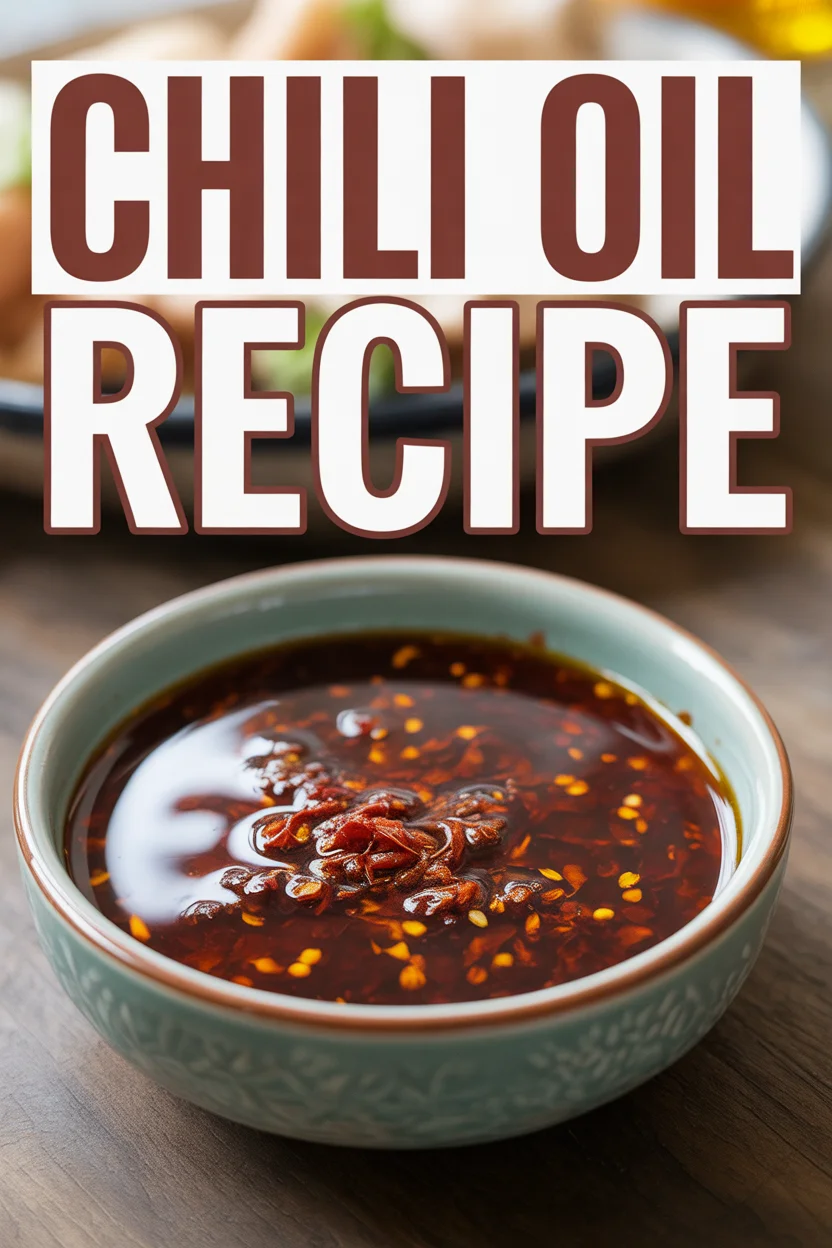
So, chili oil recipe. There it is. Right at the top because honestly, who doesn’t want a jar of this liquid gold in their kitchen? Ever found yourself with a bland bowl of noodles or an uninspired spoon of rice and wished something magic could fix it? Yep, been there. I swear, the first time I tasted a good homemade chili oil, it was like realizing I’d been living in black and white and suddenly someone cranked up the color. If you already love a cozy “crockpot chili recipe” or you’ve drooled over spicy “garlic chili oil noodles” for dinner, this is for you. Let’s fix your next meal, shall we? 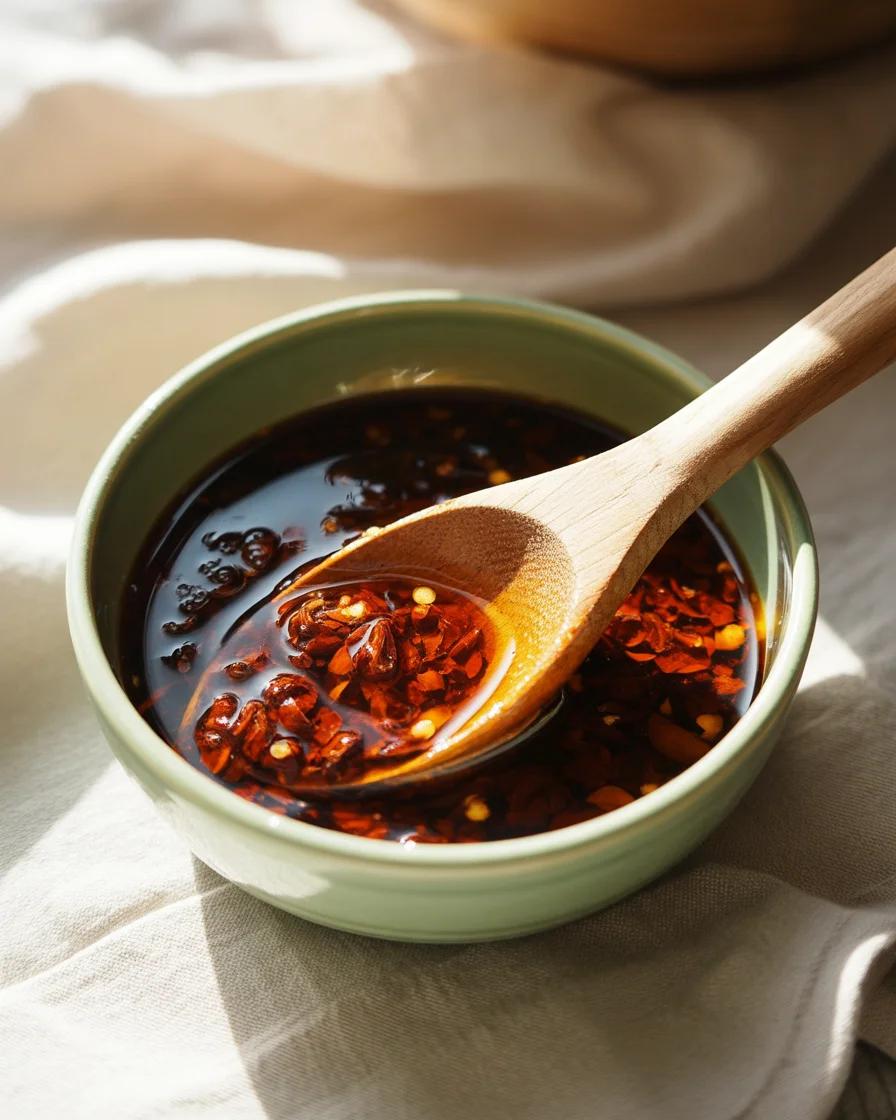
Chili Oil Makes Everything Better
I’m not exaggerating when I say chili oil is the kitchen cheat I keep bragging about. You want your dumplings to sing? Chili oil. Noodles taste a bit meh? Chili oil. Even eggs, stir-fry, pizza—yeah, I said pizza—upgrade instantly. And don’t get me started on drizzling a little on cold snacks (cucumber salad, anyone?) Folks, I even put it into salad dressings sometimes when I’m feeling wild.
It’s more than just spicy. A good chili oil recipe gives you that tingling warmth, that whiff of toasted garlic, those little crispy bits that stick to your spoon and make you forget what you were originally tasting. Oh, and the color—bright, cheerful, totally scroll-stopping red. You think you’ll hold back and just use a little, but… yeah, good luck with that. If you love spice, you’ll be putting it on everything short of your breakfast cereal.
How To Make Authentic Chinese Chili Oil
Okay, I’ll be real. Authentic Chinese chili oil is way easier than you think. First time I made it, I expected a mess—maybe even a small kitchen fire. But nope. If you can keep an eye on oil, you’re set.
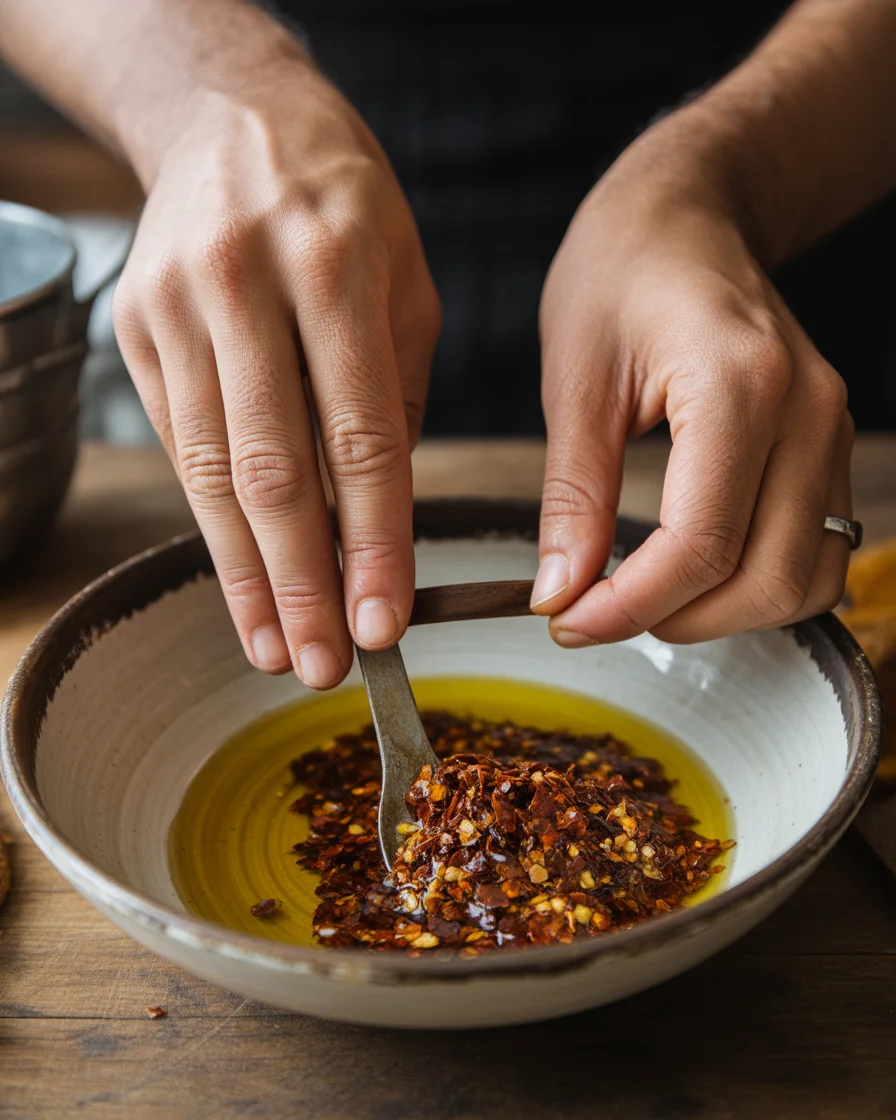
Here’s how I do it. I measure out chili flakes—get the good stuff, Asian markets or online. Some people like a blend of flakes and powder. Add the chili to a heat-resistant bowl with some salt, maybe a tiny pinch of sugar (don’t freak out, it actually makes it taste smoother). This is optional: a clove or two of minced garlic, some star anise, or a tiny bit of cinnamon stick tossed in for bonus points.
Heat up a neutral oil (think canola, vegetable, or peanut) on the stove until it’s shimmery and hot, but not smoking like mad. Here’s the nerve-wracking part: very, very carefully pour the hot oil over the chili flakes. It’ll bubble and hiss. Stir a bit, let the flavors come together. That’s it. I usually let it sit on my counter for a while to develop. Once you try it, you’ll be hooked for life.
<table_seo>
What Ingredients Do I Need to Make Chili Oil?
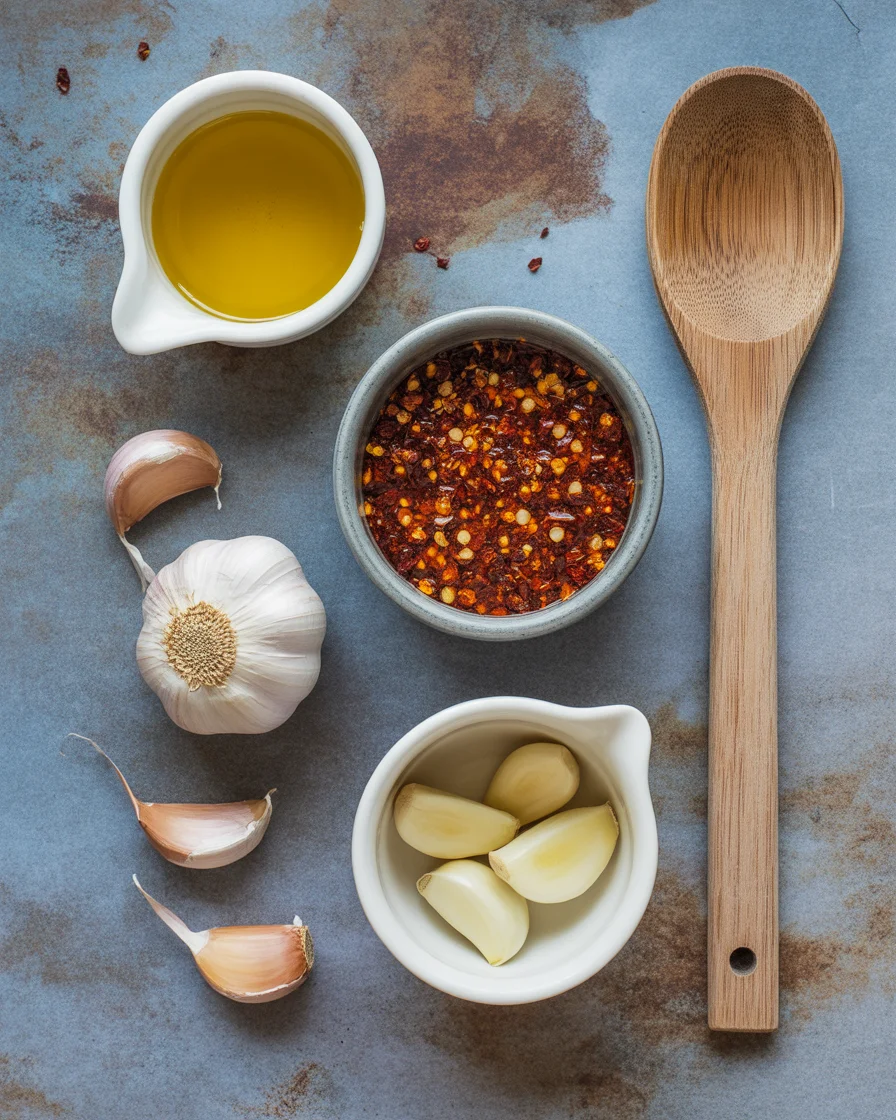
You hardly need fancy groceries for this one. Trust me, some of the best chili oil happens with what’s already in your pantry:
- Dried chili flakes or crushed red pepper (make sure it’s vibrant and still fragrant)
- Neutral oil (canola, vegetable, or peanut oil is what I use)
- A pinch of salt (just to taste, not too much)
- A spoonful of garlic or ginger (totally optional, but makes it sparkle)
- Optional bonus: whole spices like star anise, Sichuan peppercorns, or bay leaf for a deeper vibe
If you want to see chili oil in a meal, I love tossing it on these “slow cooker chili recipe” dishes or even quick weeknight stir-fries like “15-minute lo mein recipe”. Try it—you might never look back!
If You Make Chili Oil at Home, a Few Tips
Alright, here goes. Don’t let impatience ruin your chili oil. Let’s keep things safe and tasty:
- Don’t overheat your oil; if it’s smoking up the house, too hot! You just want it shimmering.
- Pour oil slowly over your chili flakes, not like you’re dumping out bathwater. You don’t want to splatter yourself (or your cabinets—ask me how I know).
- Use a dry, clean jar for storing, so you don’t get any weird funkiness later.
- Let it sit at least a few hours before using. Overnight? Even better.
The first time I made chili oil at home, I was shocked at how much better my food tasted! It’s basically my secret weapon now. I put a little on everything and honestly, nothing beats homemade. — Rachel, actual chili oil addict
How Do I Store Chili Oil?
Storing chili oil is almost too simple for words, but hey, let’s not mess it up. I pour mine into a glass jar, seal it up tight, and stick it in the fridge. Some folks leave it out at room temp for a couple weeks—honestly, if you tucked it in the fridge, it’ll last a month or more.
Clean utensils only! If you double-dip, you risk icky stuff getting in there. And if you see anything odd (cloudy, smelly, or fuzzy), toss it. When in doubt, make more. Who needs old chili oil anyway?
Common Questions
How spicy will this chili oil recipe be?
It all depends on the chili flakes you use. You can go mild or wild, really up to you.
Can I add other flavors like garlic or shallots?
Absolutely. Just make sure it’s dry so it doesn’t spoil your oil.
Is homemade chili oil safe?
Totally, as long as it’s stored properly and you keep the jar clean.
What can I put chili oil on besides noodles?
Let’s see. Dumplings, pizza, grilled veggies, salad—oh, eggs! The sky’s the limit.
How long does chili oil last?
In the fridge, it’ll go strong for a month or sometimes a bit more. Room temp? About a week or two max.
Give Your Food Some Real Zing
That’s basically it. With this chili oil recipe, you’ll never have to eat another bland meal at home. Want expert takes? Try reading “How to Make Chili Oil: The Perfect Recipe!” or the wild ideas folks share on “Chili Oil Recipes?”. I love checking out “Dad’s Homemade Chili Oil: A Chinese Chef’s Secrets” for serious flavor moves. Go whip up a batch and see for yourself. Bet you’ll end up putting it on everything—just don’t blame me when your friends ask for the secret.
Chili Oil
Ingredients
Main Ingredients
- 1 cup Dried chili flakes or crushed red pepper Choose vibrant and fragrant ones.
- 1 cup Neutral oil (canola, vegetable, or peanut oil) Ensure it’s hot but not smoking.
- 1 pinch Salt To taste.
Optional Ingredients
- 1 clove Minced garlic Adds a great flavor.
- 1 piece Star anise For extra depth.
- 1 small piece Cinnamon stick Great optional addition.
Instructions
Preparation
- Measure out the dried chili flakes and place them in a heat-resistant bowl.
- Add a pinch of salt and optional spices like minced garlic, star anise, or cinnamon stick.
Cooking
- Heat the neutral oil in a pan until it is hot and shimmery, but not smoking.
- Carefully pour the hot oil over the chili flakes. Expect bubbling and hissing.
- Stir the mixture and let it sit for at least a few hours to develop flavors.