Homemade grape juice tastes nothing like the thin, overly sweet bottled kind. Made from ripe Concord grapes, it is deep purple, bold, and full of real grape flavor, and a single big batch of grapes can fill a few jars to enjoy for months.
This recipe uses only grapes and water, with optional sugar. You simmer the grapes until the skins soften, strain the juice, let it settle in the refrigerator, and then heat and can it in a boiling water bath so the jars are shelf stable.
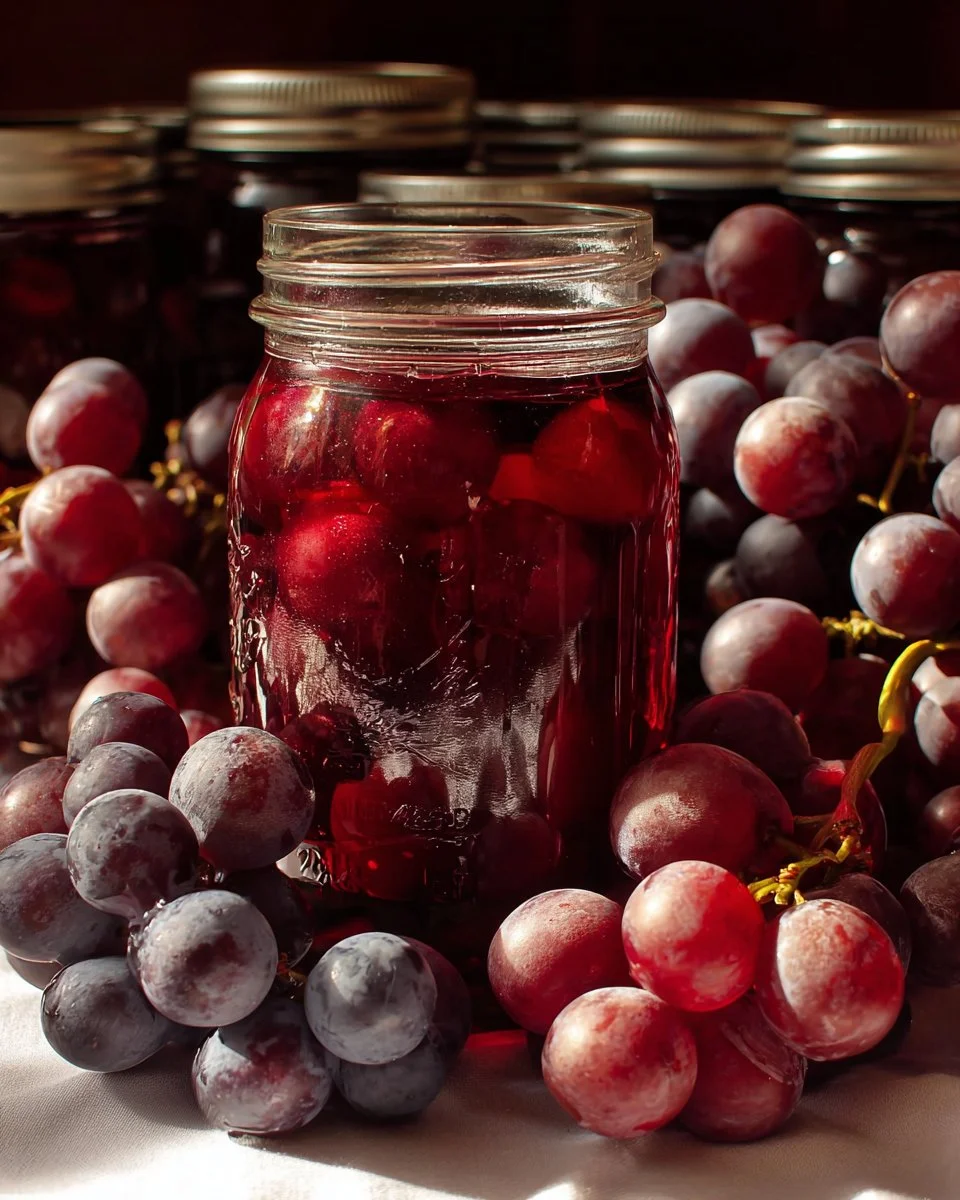
Table of Contents
Why This Homemade Grape Juice Recipe Works
Concord grapes are the classic choice for homemade grape juice because they are naturally sweet, very fragrant, and rich in color. Simmering the whole grapes, skins included, pulls out the dark color and the flavor that makes this juice taste like the real thing.
The rest step is what makes canned juice clear and smooth. Chilling the strained juice for a day or two lets natural sediment and crystals settle, so you can pour off clean juice and leave the grit behind. Because grape juice is acidic, it is safe to process in a boiling water canner when you follow tested times.
Ingredients for Homemade Grape Juice
- 10 pounds Concord grapes, washed and stemmed
- Boiling water, just enough to cover the grapes
- Sugar, to taste (optional)
Concord grapes. Pick ripe, firm, deep purple grapes. Underripe fruit makes sour, pale juice.
Water. Only enough to cover the grapes is needed. Extra water dilutes the flavor, so add more later only if the juice is too strong for you.
Sugar. It is optional. Taste the juice after it settles and sweeten lightly if you like, stirring until dissolved before you heat it for the jars.
How to Make Homemade Grape Juice
1. Wash the grapes. Rinse the Concord grapes well under cool water and pull them from the stems, discarding any moldy or shriveled fruit.
2. Simmer the grapes. Place the grapes in a large pot and pour in boiling water to just cover them. Bring back to a simmer and cook slowly for about 30 minutes, crushing the grapes with a potato masher, until the skins are soft.
3. Strain the juice. Strain the mixture through a damp jelly bag or several layers of cheesecloth into a large container. Let it drip without pressing hard for clearer juice.
4. Chill and settle. Refrigerate the juice for 24 to 48 hours. Pour off the clear juice without stirring up the sediment at the bottom, and discard the sediment. For an even clearer juice, strain it through a paper coffee filter.
5. Sweeten if you like. Taste the juice. If you want it sweeter, stir in sugar in a saucepan over medium heat until dissolved.
6. Heat and fill the jars. Heat the juice until it just begins to boil. Meanwhile, boil clean pint or quart jars for 10 minutes. Fill the hot jars with the hot juice, leaving 1/4 inch of headspace, wipe the rims, and tighten the lids fingertip tight.
7. Process. Lower the jars into a boiling water canner and process pints or quarts for 5 minutes at altitudes up to 1,000 feet, or 10 minutes at 1,001 to 6,000 feet. Cool the jars undisturbed, check the seals, and label them.
How to Serve Homemade Grape Juice
Serve homemade grape juice chilled over ice, mixed with sparkling water for a spritzer, or poured into popsicle molds. It also makes a good base for slushies.
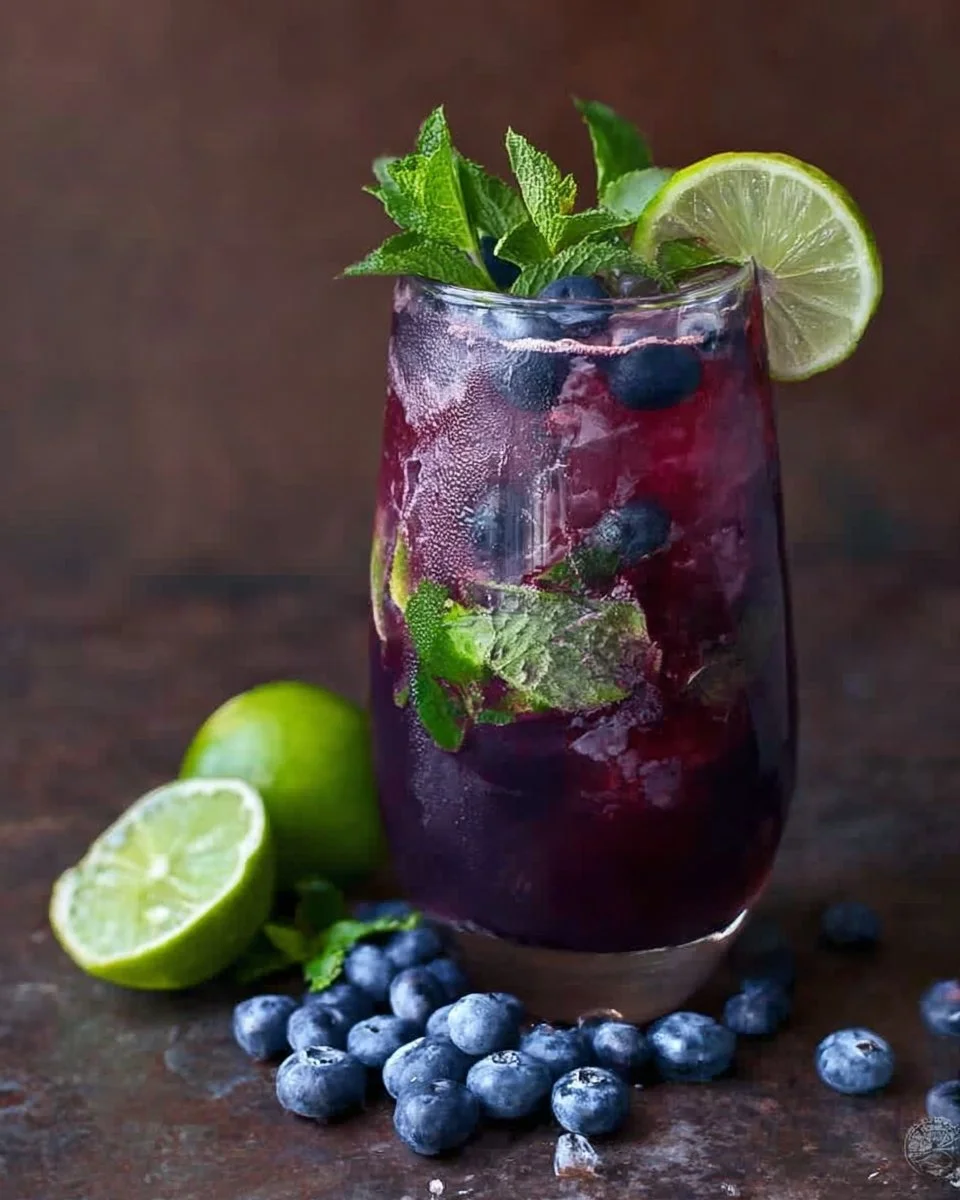
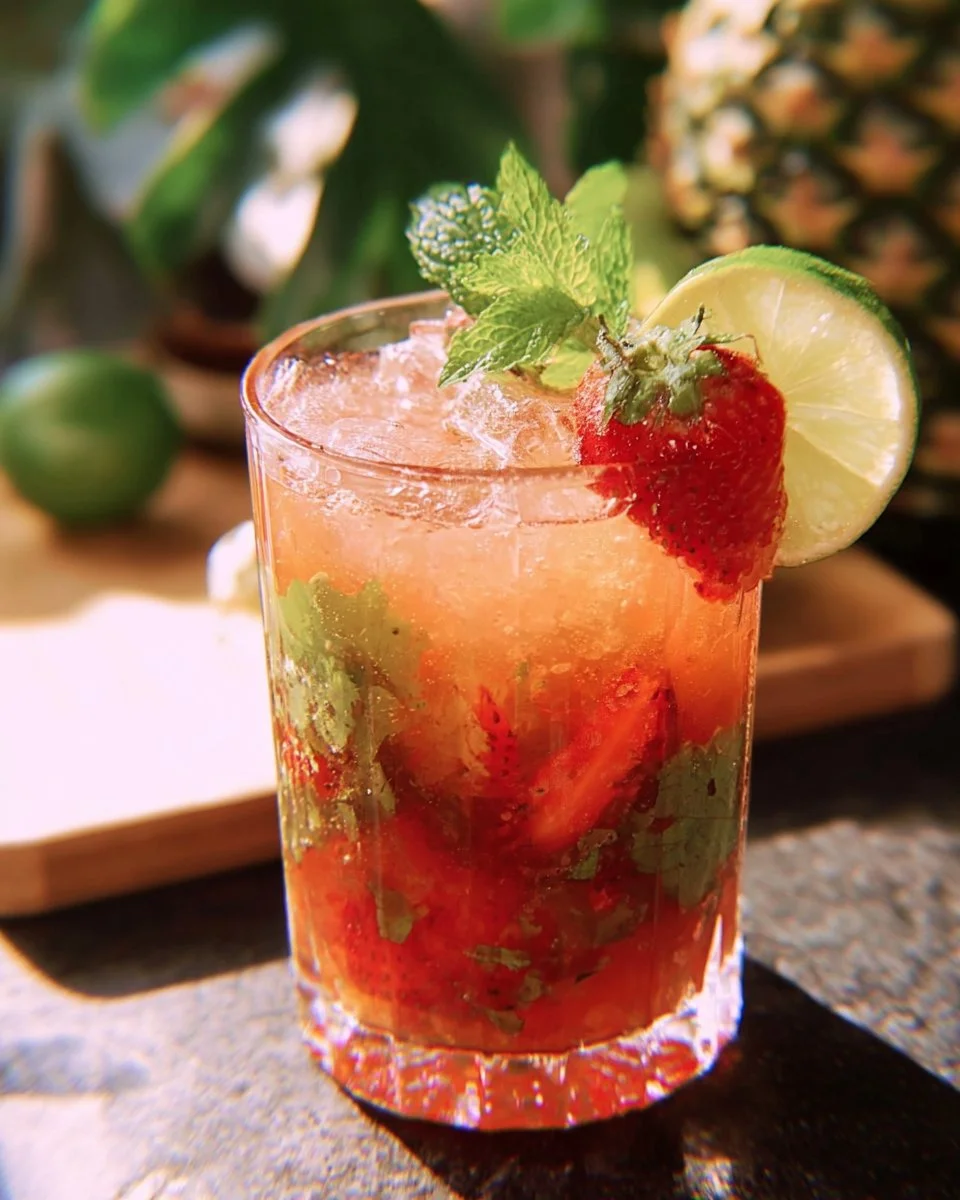
If you enjoy preserving food at home, you may also like easy homemade dill pickles and refrigerator dill pickles. For fruity gathering drinks, try blueberry mojito pitcher or strawberry pineapple mojito.
How to Store and Reheat Homemade Grape Juice
Properly canned jars with sealed lids can be stored in a cool, dark place. Check each seal before opening, and refrigerate any jar that did not seal and use it within a few days.
After opening a jar, keep the juice in the refrigerator and drink it within a few days. Label each jar with the date so you can use the oldest jars first.
Tips and Variations for Homemade Grape Juice
Use clean equipment. Sterilize the jars and wash the lids. Clean equipment helps prevent spoilage.
Do not press the bag. Squeezing the jelly bag pushes pulp into the juice and makes it cloudy.
Follow tested times. Use a tested processing time for your altitude and jar size, and do not shorten it. Clemson publishes tested grape juice canning instructions.
Do not skip the rest. The chill in the refrigerator removes sediment that would otherwise make the juice gritty.
Taste before canning. Adjust the sweetness before you heat the juice for the jars, since you cannot change it afterward.
Use half gallon jars carefully. Only very acidic juices like grape are processed in half gallon jars, and they need a longer time of 10 minutes at altitudes up to 1,000 feet.
Label every jar. Write the date on each jar so you can rotate your pantry.
Try a variation. Blend half grape juice with apple juice for a milder drink, or freeze the juice in trays for slushies.
Frequently Asked Questions About Homemade Grape Juice
How many pounds of grapes do I need for homemade grape juice?
Plan on roughly 3 1/2 to 5 pounds of grapes per quart of juice, so 10 pounds makes about 2 to 3 quarts.
Do I have to add sugar to homemade grape juice?
No. Concord grapes are naturally sweet, and sugar is only for people who want a sweeter drink.
Can I make homemade grape juice without canning it?
Yes. Skip the canning step and keep the juice in the refrigerator, or freeze it in containers.
Why is my homemade grape juice cloudy?
Pressing the jelly bag or skipping the settling step leaves sediment. Let the juice rest and strain it again through a coffee filter.
Why are there crystals in my jar?
Natural crystals can form from the acids in grapes, and the chilling step removes most of them.
Homemade Grape Juice
Equipment
- Large pot
- Potato Masher
- Jelly bag or cheesecloth
- Boiling water canner
- Canning jars with lids
- Jar lifter
Ingredients
Main Ingredients
- 10 lb Concord grapes washed and stemmed
- ¼ cup boiling water just enough to cover the grapes
- 2 tbsp sugar optional, to taste
Instructions
Cooking
- Simmer. Wash and stem the grapes, cover with boiling water, and simmer about 30 minutes, crushing them, until the skins are soft.
- Strain. Strain through a damp jelly bag or cheesecloth.
- Settle. Refrigerate the juice 24 to 48 hours, then pour off the clear juice and discard the sediment.
- Heat. Sweeten if desired, then heat until the juice just begins to boil.
- Fill. Pour into hot clean jars with 1/4 inch headspace and tighten the lids fingertip tight.
- Process. Lower the jars with a jar lifter and boil pints or quarts 5 minutes up to 1,000 feet (10 minutes at 1,001 to 6,000 feet). Cool and check the seals.